
Percipio logo

Marching Off a Cliff in Silence: How a Lack of Psychological Safety Kills Major Transformations

Kimmy
Kimmy
Marching Off a Cliff in Silence: How a Lack of Psychological Safety Kills Major Transformations

Have you heard of a "watermelon project"?

It's an enterprise transformation where the status dashboards look bright green on the outside while underneath, the initiative is bleeding deep red. On paper, everything looks perfect. After launch, the system crashes, adoption plummets, and the expected ROI vanishes.

Post-project audits rarely find that the underlying technology was broken. More often, they uncover a risk that never appeared on a dashboard or risk register: people saw problems coming and didn't feel safe enough to say so.

These failures rarely happen overnight. The insights needed to save a project usually exist long before launch, hidden within the concerns of frontline teams, business analysts, and middle managers. In organizations where speaking up feels risky, those warnings never reach the people who need to hear them.

Preventing that silence is where organizational change management and risk management intersect.
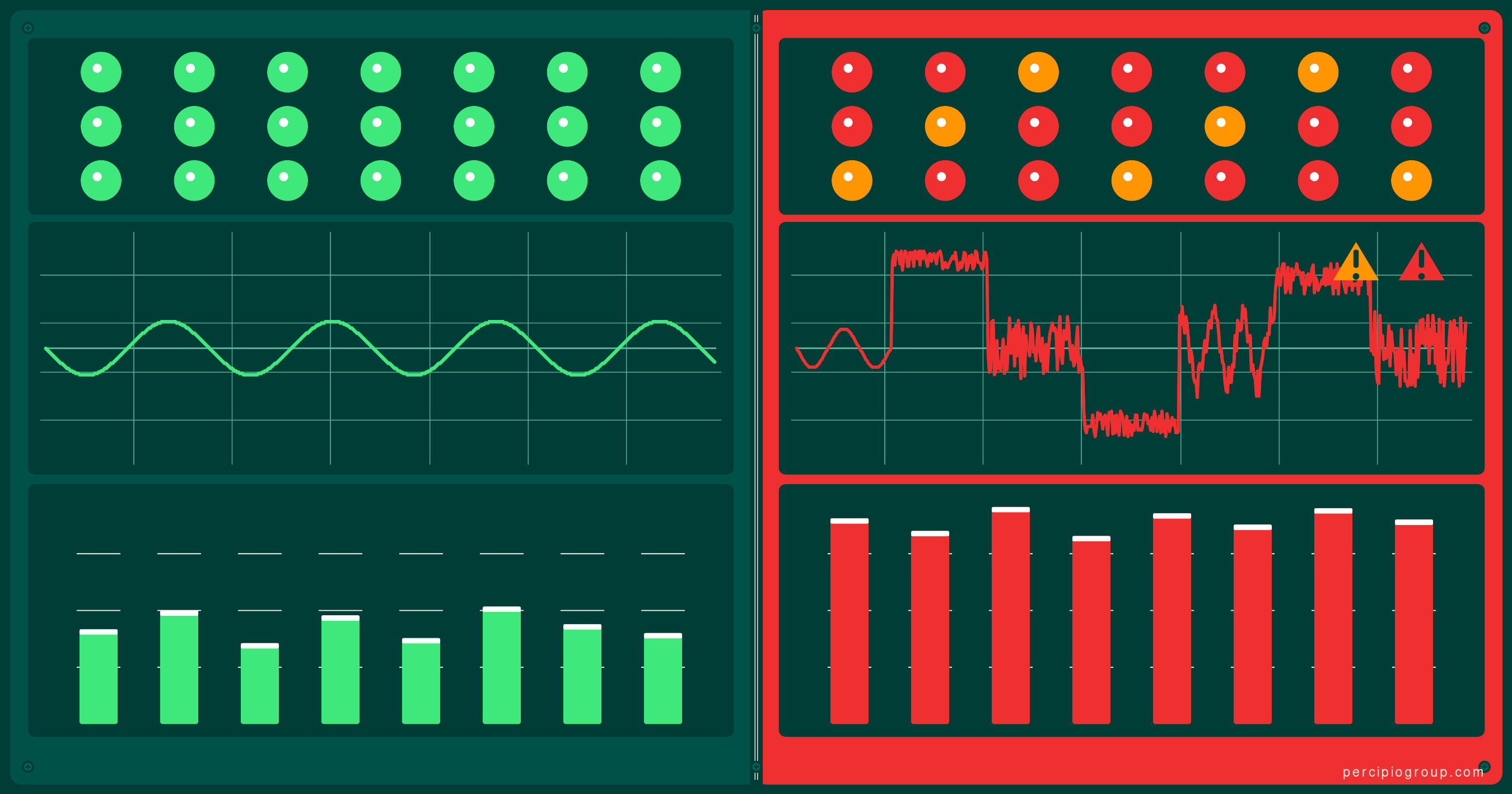
A control panel illustration showing all green OK indicators on the left and all red ALARM indicators on the right.

Seeing Risks Before Dashboards Turn Red

Organizations often silo Enterprise Risk Management (which owns compliance and controls) from Change Management (which owns alignment and adoption). This separation creates a massive blind spot. Both disciplines depend on accurate ground-level data. You can’t get accurate data unless people feel safe enough to speak honestly.

That brings us to psychological safety. At its core, psychological safety is the shared belief among team members that they will not be embarrassed, rejected, or punished for speaking up, asking questions, raising concerns, or making mistakes.

One of the best leaders I worked with in cybersecurity understood this instinctively. He actively encouraged people to bring him concerns and mistakes before a project status turned red, celebrating employees who brought these to him while they were small and manageable.

Because speaking up was treated as excellent risk management rather than a lack of alignment, difficult conversations happened sooner. Risks became visible while there was still time to address them, preventing the project from ever reaching a breaking point.

The Cost of the Alternative: How Silence Becomes Operational Risk

When leaders discourage bad news, intentionally or unintentionally, silence becomes more than a cultural problem. It becomes operational risk. In transformation efforts, that risk often shows up in predictable ways:

  • Sanitized Data Inputs: Executives make critical decisions based on filtered updates that present an overly optimistic picture of reality. Concerns are softened, risks are minimized, and leadership loses visibility into what employees are actually experiencing.
  • Delayed Mitigation: A flaw identified during design is far less expensive to address than one discovered after a large-scale rollout. When employees hesitate to raise concerns, organizations lose valuable time to respond before problems grow.
  • Malicious Compliance: Employees who don't feel heard often protect themselves by nodding along in meetings, attending training, and publicly supporting the initiative while privately maintaining old processes and workarounds. The project appears successful until adoption data tells a different story.

The Bottom Line: If bringing up a problem turns someone into a roadblock or makes them feel like a target, many employees will choose self-preservation over transparency.

Psychological safety won't guarantee a successful transformation, but its absence almost certainly guarantees a fragile one.

How to Operationalize Psychological Safety as a Change and Risk Asset

Organizations that want stronger transformation outcomes should build psychological safety into project governance rather than treating it as a separate culture initiative.

  • Mandate Project Pre-Mortems
    Before a major milestone, ask the team to assume it is six months post go-live and the rollout has failed. Then ask a simple question: What went wrong? This exercise changes the dynamic. Identifying risks becomes part of the assignment rather than an act of resistance. Teams often surface assumptions, dependencies, and concerns that would otherwise remain hidden.
  • Redefine What It Means to Be a Team Player
    Actively recognize employees who surface risks early. When someone identifies an integration issue that delays a milestone but prevents a much larger problem after launch, that is a success story. The goal is to create an environment where transparency is valued more than maintaining the appearance that everything is on track.
  • Replace Passive Prompts with Active Inquiry
    Many leaders end meetings with, "Does anyone have any questions or concerns?" A more effective approach is to ask questions that require reflection and discussion: What is the biggest risk we are not talking about right now? Which assumption makes you the most uncomfortable? What part of this rollout is most likely to struggle after go-live? If this project misses its objectives, what will be the most likely reason? The quality of the information leaders receive is often influenced by the quality of the questions they ask.
Protecting Your Transformation Investment

A transformation strategy that depends on flawless execution and limited feedback is not a recipe for success. Technology, processes, and governance all play important roles in successful transformation, but your people remain the organization's most effective early-warning system.

When employees feel safe sharing concerns, leaders gain access to information that dashboards, status reports, and steering committee updates often miss. Risks surface earlier. Course corrections happen sooner. Decisions improve.

Psychological safety won't guarantee a successful transformation, but its absence almost certainly guarantees a fragile one. Most organizations already have the exact insights they need to avoid a major failure. The real work of leadership is building a culture where people feel safe enough to speak those truths out loud.

Percipio Icon
Challenges
Services
No items found.
Solutions

Have you heard of a "watermelon project"?

It's an enterprise transformation where the status dashboards look bright green on the outside while underneath, the initiative is bleeding deep red. On paper, everything looks perfect. After launch, the system crashes, adoption plummets, and the expected ROI vanishes.

Post-project audits rarely find that the underlying technology was broken. More often, they uncover a risk that never appeared on a dashboard or risk register: people saw problems coming and didn't feel safe enough to say so.

These failures rarely happen overnight. The insights needed to save a project usually exist long before launch, hidden within the concerns of frontline teams, business analysts, and middle managers. In organizations where speaking up feels risky, those warnings never reach the people who need to hear them.

Preventing that silence is where organizational change management and risk management intersect.

A control panel illustration showing all green OK indicators on the left and all red ALARM indicators on the right.

Seeing Risks Before Dashboards Turn Red

Organizations often silo Enterprise Risk Management (which owns compliance and controls) from Change Management (which owns alignment and adoption). This separation creates a massive blind spot. Both disciplines depend on accurate ground-level data. You can’t get accurate data unless people feel safe enough to speak honestly.

That brings us to psychological safety. At its core, psychological safety is the shared belief among team members that they will not be embarrassed, rejected, or punished for speaking up, asking questions, raising concerns, or making mistakes.

One of the best leaders I worked with in cybersecurity understood this instinctively. He actively encouraged people to bring him concerns and mistakes before a project status turned red, celebrating employees who brought these to him while they were small and manageable.

Because speaking up was treated as excellent risk management rather than a lack of alignment, difficult conversations happened sooner. Risks became visible while there was still time to address them, preventing the project from ever reaching a breaking point.

The Cost of the Alternative: How Silence Becomes Operational Risk

When leaders discourage bad news, intentionally or unintentionally, silence becomes more than a cultural problem. It becomes operational risk. In transformation efforts, that risk often shows up in predictable ways:

  • Sanitized Data Inputs: Executives make critical decisions based on filtered updates that present an overly optimistic picture of reality. Concerns are softened, risks are minimized, and leadership loses visibility into what employees are actually experiencing.
  • Delayed Mitigation: A flaw identified during design is far less expensive to address than one discovered after a large-scale rollout. When employees hesitate to raise concerns, organizations lose valuable time to respond before problems grow.
  • Malicious Compliance: Employees who don't feel heard often protect themselves by nodding along in meetings, attending training, and publicly supporting the initiative while privately maintaining old processes and workarounds. The project appears successful until adoption data tells a different story.

The Bottom Line: If bringing up a problem turns someone into a roadblock or makes them feel like a target, many employees will choose self-preservation over transparency.

Psychological safety won't guarantee a successful transformation, but its absence almost certainly guarantees a fragile one.

How to Operationalize Psychological Safety as a Change and Risk Asset

Organizations that want stronger transformation outcomes should build psychological safety into project governance rather than treating it as a separate culture initiative.

  • Mandate Project Pre-Mortems
    Before a major milestone, ask the team to assume it is six months post go-live and the rollout has failed. Then ask a simple question: What went wrong? This exercise changes the dynamic. Identifying risks becomes part of the assignment rather than an act of resistance. Teams often surface assumptions, dependencies, and concerns that would otherwise remain hidden.
  • Redefine What It Means to Be a Team Player
    Actively recognize employees who surface risks early. When someone identifies an integration issue that delays a milestone but prevents a much larger problem after launch, that is a success story. The goal is to create an environment where transparency is valued more than maintaining the appearance that everything is on track.
  • Replace Passive Prompts with Active Inquiry
    Many leaders end meetings with, "Does anyone have any questions or concerns?" A more effective approach is to ask questions that require reflection and discussion: What is the biggest risk we are not talking about right now? Which assumption makes you the most uncomfortable? What part of this rollout is most likely to struggle after go-live? If this project misses its objectives, what will be the most likely reason? The quality of the information leaders receive is often influenced by the quality of the questions they ask.
Protecting Your Transformation Investment

A transformation strategy that depends on flawless execution and limited feedback is not a recipe for success. Technology, processes, and governance all play important roles in successful transformation, but your people remain the organization's most effective early-warning system.

When employees feel safe sharing concerns, leaders gain access to information that dashboards, status reports, and steering committee updates often miss. Risks surface earlier. Course corrections happen sooner. Decisions improve.

Psychological safety won't guarantee a successful transformation, but its absence almost certainly guarantees a fragile one. Most organizations already have the exact insights they need to avoid a major failure. The real work of leadership is building a culture where people feel safe enough to speak those truths out loud.

Ready to work with us?